By Viraj V. Tirmal, MD – Concierge Primary Care
3905 National Drive, Suite 220, Burtonsville, MD 20866
Phone: 240-389-1986
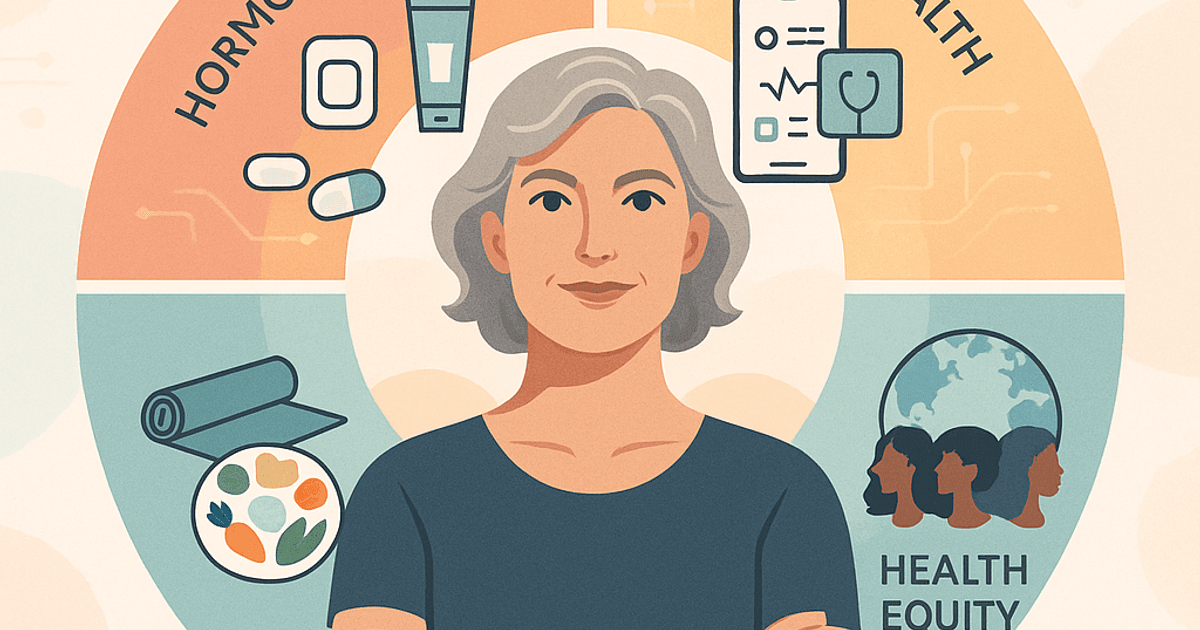
Menopause is no longer a taboo subject confined to whispers and misconceptions. In my concierge medical practice, I see daily how modern advances are reshaping the menopause journey—empowering women to take control of their health, explore innovative treatments, and thrive in midlife and beyond. This comprehensive guide explores cutting-edge hormone therapies, holistic management, digital health, and the urgent need for health equity, bringing you the latest insights through the lens of individualized, compassionate care.
Redefining Menopause: From Stigma to Empowerment
Once seen simply as the “end of fertility” or even as a disease, menopause is now rightly recognized as a transformative chapter in a woman’s life, shaped as much by biology as by society and culture. With many women now spending one-third of their lives post-menopause, proactive, evidence-based management is essential to promote lifelong wellness and quality of life.
[More on the evolving view of menopause]
Understanding the Basics: What is Menopause?
Definition: Menopause is diagnosed after 12 consecutive months without a period (in absence of another medical cause).
Average onset: Age 51 in the U.S., but varies by genetics, ethnicity, and health history.
Symptoms: Hot flashes, night sweats, mood changes, vaginal dryness, sleep disturbances, bone loss, and more.
Diagnosis: Usually clinical; lab tests (FSH, estradiol) are reserved for ambiguous cases or early/premature menopause.
Why Does Menopause Management Matter Now More Than Ever?
Demographics: Over 1.2 billion women will be in the menopausal or postmenopausal stage by 2030; longevity means decades lived past natural reproduction.
Societal Impact: Menopause-related symptoms can affect productivity, relationships, confidence, and overall well-being.
Health Risks: Menopause increases lifetime risk of osteoporosis, cardiovascular disease, some cancers, and neurocognitive decline.
Individual experiences vary greatly—some women breeze through menopause with few symptoms, while others suffer for years. The one-size-fits-all approach is obsolete. Contemporary menopause care is personal, customizable, and proactive.
Comprehensive Assessment: Moving Beyond Hot Flashes
Menopause is multi-dimensional. A thorough evaluation includes:
Review of your full health/gynecological history
Assessment of symptoms, severity, impact on quality of life, emotional health, and sleep
Comorbidities and family health risks
Lifestyle factors: diet, exercise, stress, tobacco/alcohol use
Patient beliefs, preferences, and personal treatment goals
Digital symptom tracking and remote assessments, now standard in many primary care practices, allow dynamic, ongoing management—an approach highlighted in innovative, tech-forward care settings.
[Learn how technology empowers personalized menopause care]
Innovations in Hormone Therapy: Benefits, Risks & Modern Approaches
Hormone therapy (often called Menopausal Hormone Therapy, MHT) remains the gold standard for significant vasomotor symptoms—when appropriately tailored to each woman’s age, risk factors, and concerns.
What’s New in Hormone Therapy?
Personalized protocols: Tailored dosing, length, and formulation; best outcome when started within 10 years of menopause or before age 60.
Safer delivery: Low-dose patches/gels and micronized ("bioidentical") progesterone provide efficacy with reduced clotting/stroke risk as compared to older oral products.
Bioidentical options: Custom-compounded hormone therapies are popular but require strict medical oversight.[Explore the latest in hormone therapy science]
Benefits at a Glance
Alleviates hot flashes, night sweats, sleep disturbances, and vaginal symptoms
Protects bone health & reduces risk of fracture
May improve mood, sexual function, and cognition in some women
Risks (Why Personalization Is Key)
Slightly increased risk of breast cancer and blood clots in certain users
Women with a history of hormone-sensitive cancer, clotting disorders, or unexplained bleeding should not use MHT
Only use with careful physician monitoring and never as a DIY supplement
[Read MHT recommendations at Mayo Clinic]
Non-Hormonal & Integrative Menopause Management
Not all women are MHT candidates—or want it. Today’s holistic, science-based care also involves:
First-line non-hormonal pharmacologics: Selective serotonin reuptake inhibitors (SSRIs), SNRIs, gabapentin, clonidine
Cognitive Behavioral Therapy (CBT) for insomnia, mood, and vasomotor symptoms
Mindfulness, yoga, meditation, acupuncture (with growing evidence for benefit)
Nutrition: Phytoestrogens and supplements (ex. black cohosh, flaxseed)—with caution, as efficacy and safety vary
Physical activity, strength training to maintain bone/muscle mass & reduce hot flashes
[British Menopause Society: Non-hormonal treatment consensus]
Sleep optimization and stress reduction techniques
Customized, digital wellness plans with ongoing remote support
Digital Innovations: Technology’s Role in Menopause Wellness
Symptom tracking apps for daily/weekly insights—enabling treatment tweaks in real time
Telemedicine for easy, stigma-free consultations and follow-ups
Wearable technology (for tracking sleep, heart rate, activity, etc.)
Virtual support groups, online educational platforms, and pharmacist counseling
Digital health bridges the gap—especially for rural, marginalized, or time-constrained women. Modern menopause clinics are often “digital first.”
[How tech is revolutionizing menopause care]
Lifestyle, Diet, & Exercise: The Foundation for Lifelong Health
Small changes deliver big dividends:
Adopt a Mediterranean-style, plant-forward diet: Best for weight, bone, and heart health
Ensure calcium, vitamin D, and protein intake to offset bone density loss
Engage in regular strength & cardiovascular training (reduces symptoms & chronic disease risk)
Prioritize stress management, social connection, and sleep hygiene
[Nutrition/fitness tips for menopause] | [Wiley: Lifestyle management review]
Health Disparities and Equity: Closing the Gap in Menopause Care
Far too many women—especially women of color, rural residents, LGBTQ+ community members, and those with lower incomes—lack access to effective menopause care and education. Disparities persist in:
Diagnosis and symptom management
Access to specialty providers and new therapies (digital platforms are helping)
Culturally-inclusive education/resources
Research representation
True equity demands continual advocacy, dedicated outreach, and public health policies that address unique needs and break down barriers.
[How to close the gap in women's health]
Education, Advocacy, and Shared Decision-Making
Empowerment begins with credible information—beware “miracle cure” marketing and social media pseudoscience.
Resources from The Menopause Society and trusted medical teams make a difference: [Patient education at The Menopause Society]
Shared decision-making means you drive your care: Discuss your values, concerns, and preferences; expect to be heard, respected, and involved every step of the way.
Breaking taboos—by talking openly and educating families, employers, and healthcare professionals—is crucial for change.
Your Next Steps: Embrace a Proactive, Personalized Menopause Journey
Menopause is not just a transition; it’s an opportunity. Modern concierge care—like the model I practice—means longer appointments, ongoing digital support, and a focus on your unique experience. Together, we can build a plan that:
Integrates modern hormone and non-hormonal therapies
Leverages holistic wellness and digital innovation
Respects your lived reality, preferences, and aspirations for midlife and beyond
Addresses health equity and advocates for trustworthy resources
Ready to reclaim your menopause experience?**Call **240-389-1986 today to schedule a personalized menopause consultation with Dr. Viraj V. Tirmal in Burtonsville, MD. Invest in a healthier, more vibrant you.
Related Reading—You Might Also Like:
Setting SMART Health Goals for the Year
Building an Exercise Routine That Works for You
Managing Stress for Better Mental and Physical Health
The Importance of a Balanced Diet: Macros and Micros
Viraj V. Tirmal, MD
Concierge Primary Care | MDVIP Affiliate
Tel: 240-389-1986 | Fax: 833-449-5686
Serving Burtonsville, Silver Spring, Laurel, and neighboring Maryland communities.
References for Further Exploration:
BMC Women's Health - Is menopause still evolving?
ASU Embryo Project - Historical perceptions
StatPearls - Clinical definition
PubMed - The demography of menopause
The Health and Economic Impacts of Menopause
BMC Public Health – Global prevalence
Modern Age - Individualized assessment
NPR - New science of hormone therapy
Nature - New science of menopause
ScienceDirect - Non-hormonal alternatives
The Medical Futurist - Digital health
Healthline - Diet/fitness for menopause