Introduction
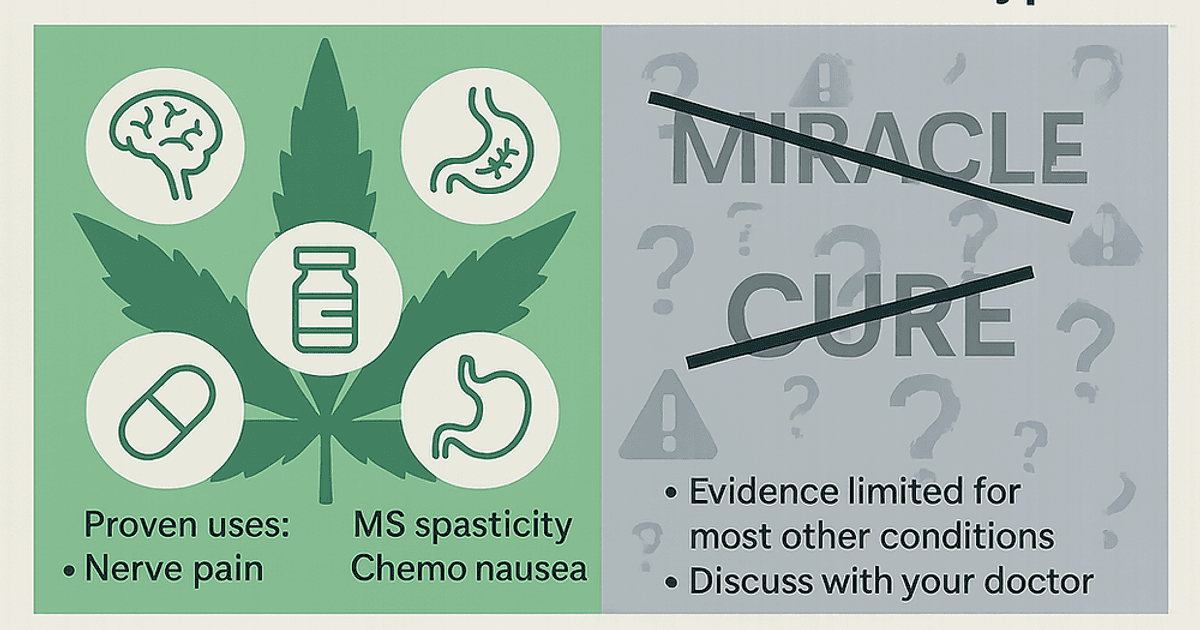
In recent years, medical cannabis has surged in popularity and media attention, heralded by some as a miracle cure and dismissed by others as unproven hype. Patients and healthcare professionals alike are navigating a rapidly changing landscape marked by emerging research, evolving laws, and an array of myths and misconceptions. As more jurisdictions legalize cannabis for medical use, there is a pressing need to discern what is supported by rigorous science and what remains speculation or marketing. This comprehensive guide is designed to help you understand the realities of medical cannabis, empowering you to make informed decisions alongside your healthcare provider.
Understanding Medical Cannabis
The Historical and Cultural Context
Medical cannabis has a long and varied history. For thousands of years, civilizations in China, India, Egypt, and Rome used cannabis for medicinal purposes, treating everything from pain and inflammation to digestive issues. In the 19th century, Western medicine embraced cannabis, listing it in pharmacopoeias. By the early 20th century, however, regulatory barriers and prohibition led to a prolonged hiatus in medical use. Today, renewed scientific interest and patient advocacy are driving a new era of research and acceptance.
(PubMed: History and current status, Wikipedia: History of medical cannabis)
The Pharmacology of Cannabis
Cannabis contains over 100 cannabinoids—most notably THC (tetrahydrocannabinol) and CBD (cannabidiol). THC is primarily responsible for psychoactive effects, while CBD produces therapeutic effects without intoxication. These compounds interact with the human endocannabinoid system, which is involved in regulating pain, inflammation, mood, and more. The complex pharmacology underlies both the promises and risks of cannabis-based therapies.
(PubMed)
Modern Medical Uses and Trends
With increasing patient demand, medical cannabis is often considered when conventional treatments fail. The strongest modern applications are in:
- Chronic pain syndromes (especially neuropathic pain)
- Multiple sclerosis spasticity
- Chemotherapy-induced nausea and vomiting
- Treatment-resistant pediatric epilepsy
While some patients and providers report success for a wide range of conditions, evidence remains highly variable across indications.
(UpToDate)
What the Evidence Shows
Conditions with Strongest Scientific Support
Research and clinical guidelines consistently find the best evidence for medical cannabis in:
- Persistent pain (especially nerve-related)
- Nausea and vomiting from chemotherapy
- Spasticity in multiple sclerosis
- Certain rare, treatment-resistant forms of epilepsy (e.g., Dravet syndrome)
Systematic reviews show modest benefit for these conditions, while many other claims remain weakly supported.
(CCSA 2024 Update, Mayo Clinic)
Recent Reviews and Meta-Analyses Summary
Recent meta-analyses reveal consistent, moderate success only for a handful of conditions. For most others—including anxiety, insomnia, PTSD, and inflammatory disorders—the data is inconsistent or insufficient. Reviews warn that public perception and marketing often oversell the benefits, while known and potential harms are sometimes underappreciated. High-quality, large-scale studies are still lacking for many proposed uses.
(PubMed Central, ScienceDaily)
Limitations of Current Research
Cannabis and cannabinoid research faces multiple challenges:
- Most studies are short-term and may not capture late adverse effects.
- Study populations and product formulations vary widely.
- Many trials use synthetic cannabinoids rather than plant extracts.
- Regulatory and legal barriers limit research, especially in the United States.
- Long-term safety and optimal dosing remain largely unknown.
The Risks, Side Effects, and Safety of Medical Cannabis
Common Side Effects
Like any medication, cannabis is not without side effects. These may include:
- Drowsiness, fatigue, or dizziness
- Dry mouth, increased appetite
- Nausea or vomiting
- Cognitive or memory impairment
- Mood alterations, anxiety, or in rare cases, psychosis
- Lung irritation (from smoking or vaping)
- Tolerance, dependence, and withdrawal symptoms with regular use
Safety in Special Populations
Certain groups are at higher risk of adverse outcomes:
- Adolescents: Cannabis affects brain development and is associated with increased risk for psychiatric illness.
- Pregnant or breastfeeding women: Use of cannabis is linked with impaired fetal development and other pregnancies risks.
- People with psychotic disorders: THC is known to exacerbate psychosis and bipolar disorder.
- Older adults: Increased likelihood of drug interactions, falls, and adverse cardiovascular events.
Drug Interactions and Contraindications
Cannabis can interact dangerously with many medications, including sedatives, blood thinners, and psychiatric medications. Some cardiovascular and mental health conditions may worsen with use. Products from unregulated sources also carry contamination risks.
Myths, Misconceptions, and Unproven Claims
Popular Myths Debunked
- “Cannabis cures cancer”: No scientific trials show that cannabis cures any type of cancer.
- “All medical cannabis products make you high”: Many options are CBD-dominant and non-intoxicating.
- “If it’s natural, it’s safe”: Natural products can still cause serious side effects, interactions, and dependence.
(THC Evaluation, Dr. Peter Grinspoon)
Exaggerated and Unproven Claims
The internet abounds with claims about cannabis as a miracle cure for Alzheimer’s, COVID-19, or opioid addiction. At present, robust evidence for such uses is lacking or negative. Ongoing research may provide future insights, but caution is warranted.
Distinguishing Medical from Recreational Use
Medical cannabis regimens are designed and monitored for specific symptom control, often employing CBD-rich, low-THC products. Recreational cannabis is typically optimized for psychoactive effects, not medical outcomes.
Legal Landscape and Access
Legal Status in Major Countries
- United States: Legal for medical use in most states, but federally illegal.
- Canada: Nationwide medical and recreational legalization.
- Europe: Many countries allow medical cannabis; specific laws differ by nation.
- Australia: Legal for medical purposes in all states and territories.
(Wikipedia: Legality, Leafwell)
Regulatory Challenges
Federal-state conflicts, inconsistent local regulations, and variable standards for testing and labeling remain challenges in most regions.
Access, Quality Control, and Testing
In areas with legal access, a diagnosis and medical authorization are required. Look for products that are lab-tested and regulated, minimizing the risk of contamination or inaccurate dosing.
Making Informed Choices—A Patient’s Guide
How to Talk to Your Doctor About Cannabis
If you are curious about medical cannabis:
- Start with open and honest questions about effectiveness, risks, and legal issues.
- Be prepared to discuss your medical history, current medications, and previous treatment outcomes.
- Ask about monitored trials, safe use, and expected outcomes.
- Plan for regular follow-ups and symptom checks.
(MPP: How to Talk to Your Doctor, ScienceDirect)
Essential Questions Before Starting Medical Cannabis
- Is cannabis supported by evidence for my condition?
- What are the known and potential risks?
- Will cannabis interact with my current medications?
- Is a legal, regulated source available to me?
- How will my response and side effects be monitored?
Monitoring Outcomes and Safety
Frequent reassessment is important for all patients using medical cannabis. Track symptom relief, possible side effects, mood changes, and quality of life. Report changes or concerns promptly—a collaborative approach ensures optimal results and safety.
(CPMany)
Related Resources and Internal Links
- Learn more about Comprehensive Non-Opioid Pain Management Strategies
- If you are struggling with chronic illness, visit Coping with Chronic Illness During the Holidays for practical support.
- For a better understanding of managing and recognizing mental health concerns, read Recognizing Signs of Anxiety and Depression.
- Interested in evidence-based supplement insights? Read Debunking Common Myths About Multivitamins and Supplements.
Conclusion
Medical cannabis is neither the panacea touted by enthusiasts nor the unmitigated risk portrayed by skeptics. Its real value lies in informed, patient-centered use for specific, evidence-backed indications—ideally in conjunction with expert medical guidance and ongoing monitoring. As state and federal laws evolve and research expands, a measured, skeptical approach remains your best ally. By asking critical questions and working closely with your primary care physician, you can determine if, when, and how medical cannabis might play a role in your health journey.
If you’re interested in further exploring whether medical cannabis is right for you—or if you’re seeking a comprehensive, personalized approach to your health—consider establishing care with a board-certified physician dedicated to evidence-based concierge medicine.
Contact Dr. Viraj V. Tirmal’s office at 240-389-1986 or email staff@tirmal-md.com.
To join our patient community, visit this link or schedule a consultation online here.
References
- Medicinal use of cannabis: history and current status (PubMed)
- History of medical cannabis (Wikipedia)
- Medical use of cannabis and cannabinoids in adults (UpToDate)
- Medical Use of Cannabis and Cannabinoids-2024 update (CCSA, PDF)
- Medical marijuana (Mayo Clinic)
- Meta-analysis of medical cannabis outcomes (PMC)
- Scientists reveal the real benefits and hidden risks of medical cannabis (ScienceDaily)
- Medical Marijuana: Benefits and Side Effects (WebMD)
- Marijuana (Cannabis, Weed): What It Is, Side Effects & Risks (Cleveland Clinic)
- Medical Cannabis Adverse Effects (DC Health, PDF)
- 10 Myths About Medical Marijuana—Debunked by Science (THC Evaluation)
- The Top Nine Myths About Cannabis (Dr. Peter Grinspoon)
- Myths vs Reality (US Pain Foundation)
- Legality of cannabis (Wikipedia)
- Guide to Medical Marijuana Legalization Around the World (Leafwell)
- Cannabis in Europe (2025 Update, PDF)
- How to Talk to Your Doctor about Medical Marijuana (MPP)
- Medicinal Cannabis Guidance and Resources for Health (ScienceDirect)
- Understanding Ethical and Regulatory Issues in Prescribing Medical Cannabis (CPMany)