
Men's Health Over 40: Your Roadmap to Prevention, Screening, and Lifelong Wellness
By Viraj V. Tirmal, MD | 3905 National Drive, Suite 220, Burtonsville, MD 20866 | Phone: 240-389-1986
Reaching your 40s is a milestone—and a powerful window of opportunity. For men, this decade marks the start of significant physical and hormonal changes. While some health risks naturally rise with age, being proactive now can profoundly influence your quality of life and longevity for decades to come.
As a MDVIP-affiliated concierge physician, I help men take charge of their well-being through highly personalized care, direct access, and an evidence-based prevention approach. This guide uncovers the most common health concerns for men over 40—heart disease, prostate issues, cancer, metabolic health, mental wellness, musculoskeletal strength, and more. You’ll learn what to watch for, which screenings are essential, and the exact steps you can take to stay ahead of risks.
Whether you're already prioritizing prevention or just getting started, making these years your healthiest is entirely within reach.
Cardiovascular Health: Tackling the #1 Threat
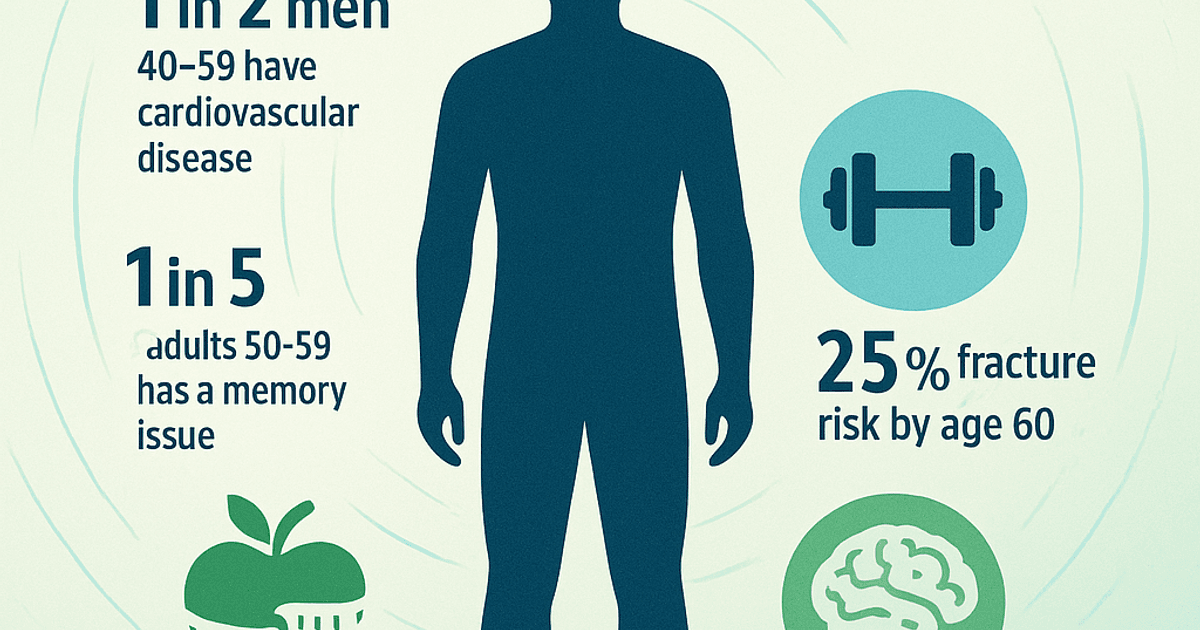
The Facts: Heart disease is the leading killer of men in the U.S., and risk accelerates sharply after age 401. Nearly half of men aged 40-59 already have some form of cardiovascular disease. Common culprits: high blood pressure, high cholesterol, diabetes, obesity, and tobacco use2.
Risk Factors to Tackle Now
- High blood pressure and cholesterol
- Smoking and alcohol excess
- Inactivity and abdominal weight gain
- Family history of cardiac events
- Unmanaged diabetes or prediabetes
Typical warning signs: None! Most men with dangerous cholesterol or hypertension feel well. That’s why annual screenings and direct physician relationships matter so much.
Action Plan
- Get your blood pressure, cholesterol, and fasting glucose checked yearly.
- Prioritize 150 minutes/week of moderate exercise (walking, strength training, cycling, swimming).
- Talk with your doctor about heart-healthy eating and the right supplements or medications for your risk profile.
- Address sleep, tobacco, and stress factors—these are as vital as any pill.
Learn more: Understanding Your Heart Health: Key Numbers to Know
Prostate Health: A Growing Priority After 40
Why it matters: By age 60, most men have some prostate enlargement. This can trigger urinary symptoms and raise prostate cancer risk5.
Common Concerns
- Benign Prostatic Hyperplasia (BPH): Non-cancerous enlargement, causing slow stream, urgency, incomplete emptying6.
- Prostate cancer: Second most common male cancer. Early detection = high survival rates7.
- Prostatitis: Inflammation, sometimes with pain or fever.
What to Do
- Report urinary changes (especially if new or worsening).
- Discuss a baseline PSA blood test with your physician by age 45-50—earlier if you’re high risk.
- Attend annual physicals for prostate exam and symptom review.
Explore: Setting SMART Health Goals for the Year
Hormonal Health & Sexual Wellness: The Truth About Testosterone
Testosterone production declines ~1% each year after age 30\. This biological shift can impact energy, sex drive, muscle mass, mental focus, weight, and emotional well-being9.
- Key symptoms of low testosterone: Reduced libido/erectile function, fatigue, depressed mood, weight or muscle loss, poor concentration.
- Erectile dysfunction (ED): Extremely common—often rooted in vascular health or hormonal changes, and highly treatable.
What Next?
- If you notice changes, get an expert evaluation—often, addressing underlying health issues or medication side effects solves the problem.
- Testosterone replacement may benefit men with clear clinical deficiency, but it is not for everyone. An expert guide is crucial10.
Pro tip: Performance in the gym, bedroom, and boardroom depend on stress, fitness, and sleep—don’t underestimate the basics.
Metabolic Health, Diabetes, and the Midlife Waistline
The problem: Central ("belly") fat, rising blood sugar, high blood pressure, and abnormal cholesterol cluster together as "metabolic syndrome," ramping up the risk for type 2 diabetes, heart disease, and even some cancers12.
- Prevalence: At least a third of men over 40 have metabolic syndrome. It is reversible with early action13.
- Risks escalate if waist is over 40 inches, A1C or fasting glucose are elevated, or you have low HDL ("good" cholesterol) or high triglycerides.
How to Prevent or Reverse Metabolic Dysfunction
- Keep waist circumference under 40 inches using diet and movement
- Choose high-fiber, plant-rich meals; limit added sugars, fried foods, and processed carbs
- Schedule regular screening for glucose and lipids (at least every 3-5 years, more often if at risk)
- Limit alcohol, stop smoking, manage sleep and stress
See also: The Importance of a Balanced Diet: Macros and Micros
Mental Health & Cognitive Wellness: The Invisible Risks
Mood and cognition: Men in midlife may experience more depression, anxiety, or stress due to family/work changes, health shifts, or isolation. Suicide rates are highest among middle-aged men16.
- Mood disorders are underdiagnosed due to stigma—yet they're as treatable as any other medical problem14.
- Cognitive decline is uncommon before 65, but keeping sharp means protecting sleep, heart, and social connections.
What Helps Most?
- Talk honestly with your physician about mood, performance, or life changes.
- Stay socially and physically active (team sports, volunteering, men's groups).
- Treat sleep problems, and reduce alcohol use—which worsens depression and cognition.
- When needed, seek counseling or group support (there is no “weakness” in investing in your mental health).
Recommended reading: Managing Stress for Better Mental and Physical Health | Simple Mindfulness Practices for Stress Reduction
Cancer: Screening for Survival
The top threats after age 40: Prostate, colorectal, lung, skin (melanoma), bladder, and pancreatic cancers17. Most early-stage cancers are curable—but often silent.
Essential Screenings
- Colon cancer: Begin colonoscopy or stool-based screening at age 45 (earlier if high risk)
- Prostate cancer: PSA testing by age 50—or as soon as 45 for Black men or those with family history
- Skin check: Annual professional exam and monthly self-checks
- Lung cancer: Low-dose CT scan for men 50+ with a strong smoking history
Prevention Tips
- No tobacco (quitting at any age adds years to your life)
- Eat antioxidant-rich foods, maintain healthy body weight
- Use sunscreen, avoid tanning beds, inspect all moles
- Limit alcohol, and address persistent inflammation (periodontitis, reflux, etc.)
Explore more: The Importance of Regular Health Screenings
Bone, Muscle & Joint Health: Preventing Pain and Keeping Mobility
The reality: After 40, men start to lose muscle and bone mass—a process that accelerates after 50\. By 60, nearly a quarter will experience an osteoporosis-related fracture20.
- Osteoporosis: Underdiagnosed in men, especially those on steroids, with low testosterone, or family history.
- Arthritis/Joint issues: Stay active to avoid pain, preserve flexibility, and prevent falls.
Best Practices
- Strength train 2x/week plus aerobic movement for balance and muscle
- Get 1,200 mg/day calcium and 800 IU/day vitamin D—food preferred, supplement if needed
- Review risk for medications that thin bones (glucocorticoids, PPIs, and others)
- Fall-proof home (remove rugs, install handrails, good lighting)
Detailed fitness tips: Building an Exercise Routine That Works for You
Preventive Screenings: The Lifesavers Men Can't Afford to Miss
- Blood pressure: Yearly
- Cholesterol: Every 5 years, more if abnormal/at risk
- Blood glucose/HbA1C: Every 3 years, or sooner if overweight or with family history
- Colon cancer: From age 45
- Prostate cancer: Discuss pros/cons of screening at 45-50
- Lung cancer: For certain smokers, from age 50
- Osteoporosis: Baseline at age 50+ with risk factors
- Vaccinations: Annual flu, Tdap, shingles (from 50), pneumococcal (from 65), HPV (through age 45 if not previously vaccinated)
- Dental/vision: Annually or as advised
For a deeper dive: Spring into Wellness: The Importance of Regular Health Screenings
Healthy Lifestyle for Longevity: Practical Advice that Works
The Big Four
- Nutrition: Whole foods, plants, healthy fats (olive oil, avocados), lean protein, high fiber. Limit processed carbs/sugars. Moderate alcohol.
- Movement: Consistency is key—choose activities you enjoy. Add some high-intensity intervals and flexibility/balance training.
- Sleep: 7-9 hours per night. Address sleep apnea, insomnia, or restless legs early—their effects on health are enormous.
- Stress: Regularly practice mindfulness, gratitude, time outdoors, and social connection. Stress hormones destroy men’s health if unchecked.
Busting Myths
- Myth: "I'm not sick, so I don't need to see a doctor." Fact: Most life-threatening conditions are symptomless until late.
- Myth: "Screenings are only for old men." Fact: The earlier you start, the more likely you'll prevent—not just detect—disease.
- Myth: "Talking about mental health is weak." Fact: Pro-actively managing mental health is a proven strength that adds years to life.
Habits start now: Setting SMART Health Goals for the Year
Your Next Step: Concierge Primary Care for Men’s Health in Burtonsville, MD
Proactive care changes everything. As a solo MDVIP-affiliated physician, I offer same-day consultations, extended appointments, and direct access for men who want to optimize every aspect of their well-being. Don’t wait for symptoms—safeguard your future today.
Call 240-389-1986 to become a patient or schedule your wellness appointment at 3905 National Drive, Suite 220, Burtonsville, MD.
Related Reading—You Might Also Like:
- Understanding Your Heart Health: Key Numbers to Know
- Building an Exercise Routine That Works for You
- Managing Stress for Better Mental and Physical Health
- The Importance of a Balanced Diet: Macros and Micros
Viraj V. Tirmal, MD – Concierge Primary Care | MDVIP Affiliate 3905 National Drive, Suite 220, Burtonsville, MD 20866 Tel: 240-389-1986 | Fax: 833-449-5686 Serving Burtonsville, Silver Spring, Laurel, and neighboring Maryland communities.
References & Further Exploration
- Cardiovascular Risks Associated with Gender and Aging
- Heart Health at Any Age
- Five heart risk factors to watch for after age 40
- Do Men Have a Higher Risk for Heart Disease?
- Understanding Prostate Changes - NCI
- Understanding Prostate Health Essentials
- Your Prostate Over 40
- Prostate Health in Your 40s: What to Watch For
- What Causes Low Testosterone in Men Over 40?
- Male Menopause: Myth or Reality?
- Low Testosterone Symptoms Men Over 40 Should Know About
- Importance of Metabolic Syndrome Even in Adults With Normal Weight
- Metabolic Syndrome | Johns Hopkins Medicine
- Mental health issues in your 40s: What you need to know
- The Mental Health Troubles of Middle-Aged Men
- Mental Illness in Men: Signs, Common Disorders, and Help
- Cancer Facts for Men | Common Cancers in Men
- Men above 40 must watch out for these types of cancer
- Why Men Above 40 Must Watch Out for These Types of Cancers
- Osteoporosis in Males - StatPearls
- Aging changes in the bones-muscles-joints - Mount Sinai
- Health Screenings for Men age 40 to 64 - Med Center Health
- Health Tips for Men Over 40: Stay Fit and Reduce Disease Risks