*By Viraj V. Tirmal, MD | MDVIP-Affiliated Concierge Primary Care | 3905 National Drive, Suite 220, Burtonsville, MD 20866 | *240-389-1986
Why Gut Health Matters More Than Ever
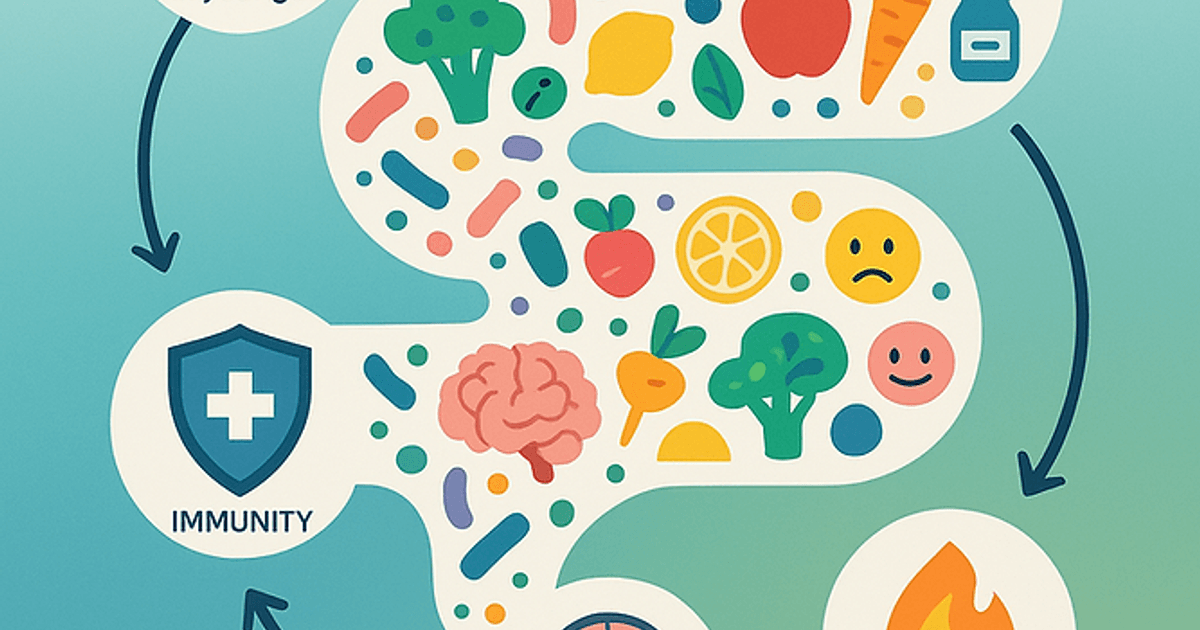
Over the past decade, research has revolutionized our understanding of the gut—not just as a digestive tract, but as a dynamic ecosystem with profound effects on immunity, metabolism, mental well-being, and chronic disease risk. Trillions of microorganisms—collectively called the gut microbiome—reside in our digestive system and interact with nearly every organ in the body. Understanding and supporting this internal ecosystem is emerging as one of the most powerful strategies for preventive health and personalized medicine.
What Is the Gut Microbiome?
The gut microbiome is the collective genetic material of all the microorganisms (bacteria, viruses, fungi, protozoa) inhabiting the gastrointestinal tract. These microbes:
Aid in digesting food and extracting key nutrients
Produce vitamins (like B12 and K)
Regulate the immune system
Protect against disease-causing invaders
Influence brain chemistry and mood
A diverse, balanced microbiome is essential for whole-body wellness. Loss of this balance—a state known as dysbiosis—has been linked to inflammatory, metabolic, autoimmune, and mental health conditions.
How the Microbiome Develops and Changes Over Life
Microbial colonization begins at birth, shaped by delivery method (vaginal or C-section), breastfeeding, and early exposures. As we grow, the foods we eat, medications we take (especially antibiotics), and our environments continually alter our microbiome’s composition. In older adults, microbial diversity often declines, sometimes contributing to increased inflammation and chronic conditions (source).
Key tipping points that commonly disrupt the microbiome:
Frequent antibiotic use
Prolonged stress
Diets low in fiber and high in processed foods
Poor sleep or chronic sleep disruption
The Gut-Brain Axis: Your Second Brain
One of the most exciting discoveries in the past several years is the gut-brain axis—a two-way communication network linking digestive health and the central nervous system. This interaction involves nerves, hormones, immune signals, and even gut-produced neurotransmitters like serotonin.
Disruptions in the gut’s microbial balance can contribute to anxiety, depression, and cognitive changes. Conversely, chronic stress or mood disturbances can upset gut health and digestion (more on this in our post about stress and mental health).
How Diet and Lifestyle Shape Your Gut Biodiversity
Diet: The Most Powerful Modulator
A fiber-rich diet with a variety of whole grains, fruits, vegetables, legumes, and nuts helps beneficial gut bacteria thrive. These bacteria ferment the dietary fibers, producing short-chain fatty acids (SCFAs) that fight inflammation and support gut lining integrity.
Foods that promote gut health:
Asparagus, garlic, onions and leeks (prebiotic fibers)
Fermented foods like yogurt, kefir, kimchi, sauerkraut, and miso (natural probiotics)
Beans, lentils, rolled oats, and brown rice
On the other hand, Western diets high in processed foods, saturated fat, sugar, and artificial additives lower microbial diversity and increase inflammation (source).
Beyond Nutrition: The Lifestyle Factors
Sleep: Quality shut-eye helps balance your gut flora (discover more on sleep’s role in mental health here).
Physical activity: Exercise supports microbial function and can increase microbiome diversity (read about the benefits of movement).
Stress: Ongoing psychological stress can alter gut motility and microbial balance (practical stress reduction tips here).
The Immune System and Gut: A Delicate Partnership
Up to 80% of the body’s immune cells reside in the gut. The microbiome “trains” the immune system to tell friend from foe, calibrating responses to pathogens while minimizing damaging inflammation. Unhealthy shifts in the microbiome are increasingly linked to autoimmune and inflammatory diseases, from IBD to rheumatoid arthritis (source).
Metabolic, Mental, and Autoimmune Disease: The Microbiome Connection
Metabolic Syndrome and Diabetes
Research reveals that people with obesity, insulin resistance, or type 2 diabetes often have different microbiome profiles than healthy individuals. Poor diversity may lead to increased gut permeability (“leaky gut”), chronic inflammation, and altered energy metabolism (source; explore more about metabolic health).
Mental Health
From depression and anxiety to cognitive decline, emerging studies show that an imbalanced microbiome may shape mental wellness. Gut microbes impact the production of key brain chemicals and regulatory hormones.
Autoimmunity
Disordered microbiota are implicated in many autoimmune diseases, with research exploring “resetting” the gut as a potential therapy (source).
What Are Probiotics and Prebiotics?
Probiotics: Live microorganisms that, when consumed in adequate amounts, confer a health benefit. Found in supplements and many fermented foods.
Prebiotics: Dietary fibers that feed specific beneficial bacteria in your colon.
While evidence supports probiotic and prebiotic benefits—especially for digestive symptoms—responses are highly individual, and not all commercial products deliver on their claims (Mayo Clinic guidance here).
Practical Tips to Support Your Gut Health
Eat the rainbow: Focus on a wide variety of vegetables and fruits each week.
Prioritize fiber: Gradually increase fiber-rich foods such as beans, whole grains, and leafy greens.
Embrace fermented foods: Include naturally fermented products in your weekly diet.
Cut the junk: Limit processed foods, simple sugars, and artificial additives.
Stay active: Regular physical activity improves digestion and gut health.
Stress less: Practice meditation, deep breathing, and other stress-management tools.
Protect sleep: Aim for 7–8 hours of sleep per night—your gut microbes will thank you.
(Explore a more detailed guide to healthy eating here and see our tips for building routines that last here.)
Emerging Frontiers: Microbiome Testing and Personalized Care
Direct-to-consumer gut testing is growing, but these tests are best viewed as supplementary—rather than diagnostic—tools. True personalized care combines clinical context, lifestyle insights, and evolving science. In our practice, we stay at the forefront of microbiome research and offer tailored, evidence-based strategies as part of our wellness model (learn about our practice philosophy).
When to Seek Medical Advice
If you experience persistent digestive issues (unexplained weight loss, rectal bleeding, ongoing pain, severe bloating), or symptoms of nutrient deficiencies or mental health shifts, a thorough medical evaluation is important. Many symptoms have multiple causes, and an expert evaluation ensures the right diagnosis and treatment plan.
Optimize Your Health—Starting with Your Gut
Ready to take the next step for your wellbeing? Dr. Viraj V. Tirmal offers comprehensive, relationship-based care that brings the latest science—like microbiome research—directly into personal health strategies. With same-day appointments, dedicated visits, and a commitment to your wellness journey, we help you reach your healthiest self.
Address: 3905 National Drive, Suite 220, Burtonsville, MD 20866
Phone: 240-389-1986
Fax: 833-449-5686
Email: staff@tirmal-md.com
You Might Also Like
The Importance of a Balanced Diet: Understanding Macros and Micros for Optimal Health
Building an Exercise Routine That Works for You
Managing Stress for Better Mental and Physical Health
Building a Partnership with Your Primary Care Physician: Back to Basics for Better Health
Digital Obesity Care and Metabolic Health: The Future of Personalized Weight and Diabetes Management
Simple Mindfulness Practices for Stress Reduction: A Comprehensive Guide
References
Gastrointestinal tract - Wikipedia
Intestinal microbiota shapes gut physiology - Microbiome Journal
Physiology, Gastrointestinal - StatPearls
The human gut microbiome and aging - Tandfonline
Why does microbiome diversity matter? - Clasado
The Gut-Brain Axis: A Call to Mental Health Providers - FTM
The Gut-Brain Connection - Healthline
Gut health | Better Health Channel
Healthy gut, healthier aging - Harvard Health
Inflammatory Arthritis and Gut Health - Arthritis.org
Gut Microbiota and Metabolic Disorders - e-DMJ
The Relationship Between Autoimmune Disease and the Gut - Autoimmune Institute
Probiotics and prebiotics: What you should know - Mayo Clinic
Ready to optimize your gut health with personalized, evidence-based care? Call us at 240-389-1986 or book your appointment today.